Blogs And Articles
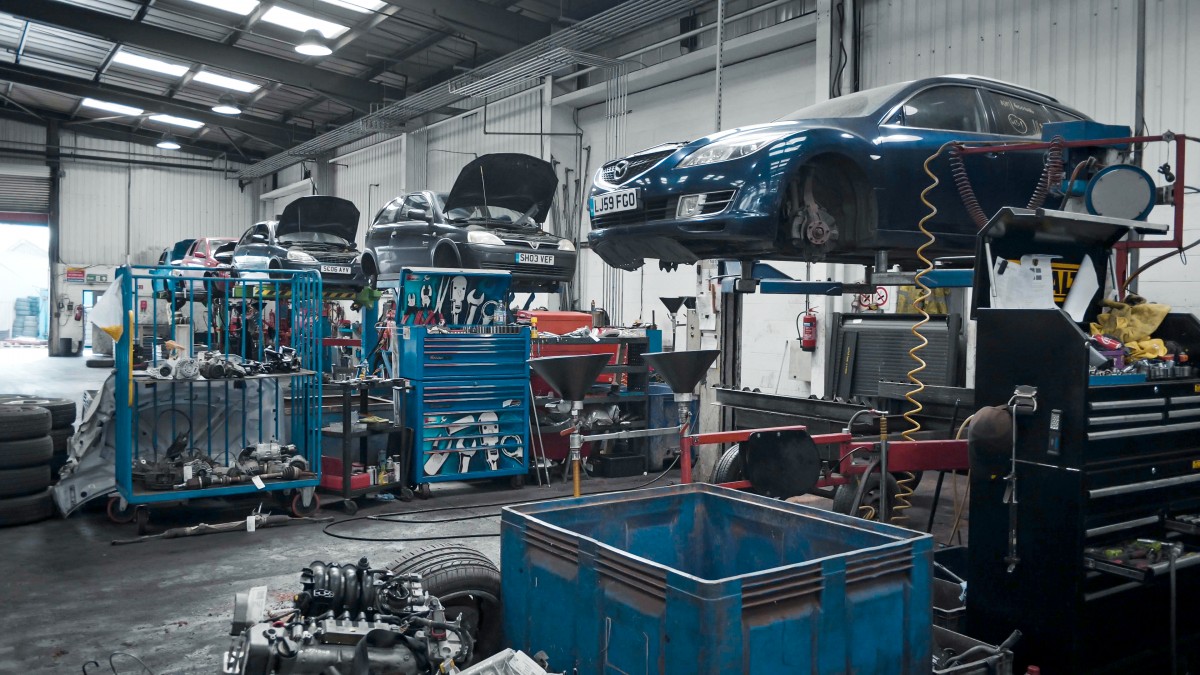
Best Practices in Automotive Dismantling
Ensuring Safety in Automotive Disposal: Minimizing Hazards through Adequate Training and Equipment Automotive disposal is a vital aspect of the industry, facilitating the recycling and repurposing of valuable materials and components from end-of-life vehicles (ELVs). Nevertheless, it carries inherent risks that can jeopardize the safety of workers engaged in the process. Therefore, prioritizing safety is paramount in vehicle dismantling operations. This article explores the significance of safety measures, encompassing risk evaluation, utilization of personal protective equipment (PPE), and the necessity of thorough training in auto dismantling procedures. Best practices in automotive dismantling include safely removing and recycling hazardous materials such as batteries and fluids, and systematically disassembling vehicles to maximize the recovery of reusable parts and materials.
READ MORE
Reimagining E-Waste Management: Innovations Shaping Recycling Technologies of Tomorrow
Transformative recycling technologies are revolutionizing e-waste management, heralding a future where e-waste becomes a valuable asset rather than an environmental liability. Despite facing challenges, the potential rewards for our planet, economy, and succeeding generations are immense. Embracing these innovations is pivotal as we continue our pursuit of sustainability.Reimagining e-waste management involves leveraging cutting-edge innovations to transform recycling technologies, enhancing efficiency and sustainability. These advancements aim to maximize material recovery, minimize environmental impact, and promote a circular economy for electronic devices. Advanced techniques like automated sorting, AI-driven material recovery, and sustainable chemical treatments are transforming how e-waste is processed.
READ MORE
Addressing the Global E-waste Crisis: Understanding Causes and Consequences
The widespread adoption of technology in modern life has led to a surge in electronic waste, or e-waste, posing a pressing issue worldwide. Discarded computers, televisions, cell phones, and other electronic devices contribute significantly to the escalating volume of e-waste. However, improper disposal practices have exacerbated the problem, resulting in severe social, economic, and environmental impacts. E-waste recycling presents a complex challenge, marked by various hurdles. Chief among these is the absence of robust regulation in many countries, leading to e-waste often ending up in landfills or being illegally dumped. Furthermore, inadequate infrastructure for e-waste management and low levels of public awareness about its proper disposal compound the issue.
READ MORE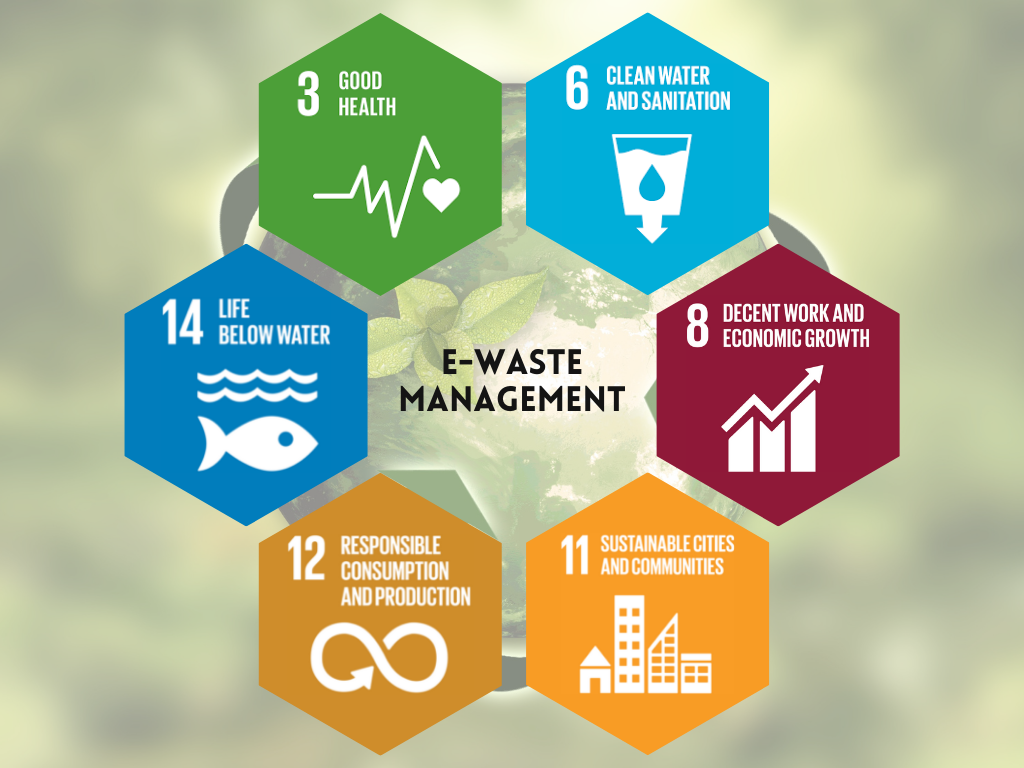
Revisiting the Contribution of E-Waste Recycling to Sustainable Development
E-waste recycling is crucial for achieving several UN Sustainable Development Goals (SDGs), including responsible consumption and production, industry and innovation, and good health and well-being. By reducing waste, conserving resources, and promoting economic growth, e-waste recycling contributes to a more sustainable world. It intersects environmental conservation, economic opportunity, and public health. As electronic waste volumes grow, recycling becomes increasingly vital. Embracing e-waste recycling protects the planet, boosts economies, and enhances quality of life. Achieving a sustainable future requires collective action and commitment to responsible e-waste management.
READ MORE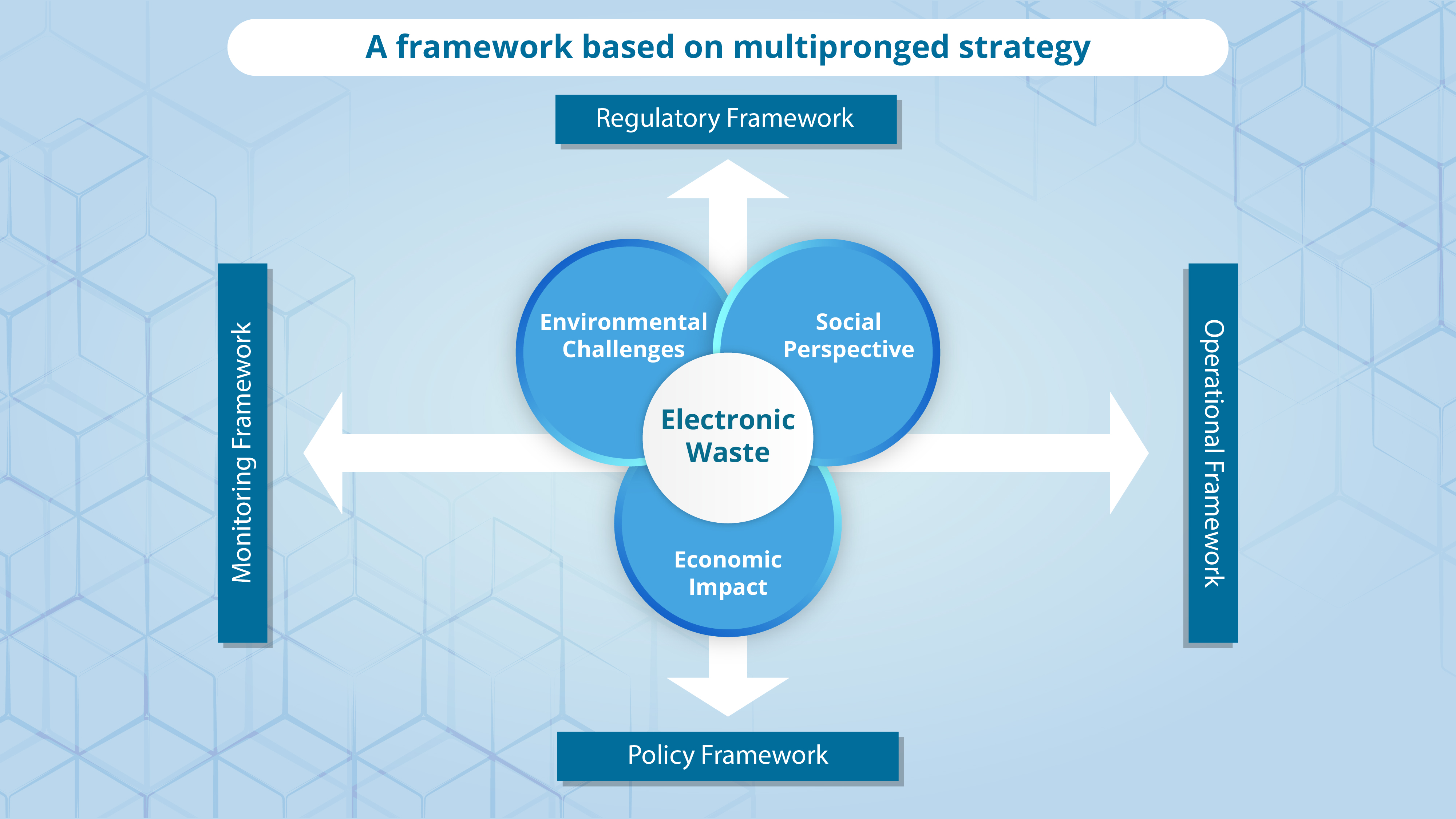
Government Policies' Role in Encouraging E-Waste Recycling in India
In India, the future of e-waste recycling hinges on government policies that prioritize improving infrastructure, expanding EPR obligations, and fostering sustainable technology development. Collaboration between government, industry, and the public is crucial for effective policy implementation. By enacting comprehensive regulations, raising awareness, and learning from global practices, India can make significant strides towards sustainable e-waste management. Additionally, the government provides incentives and awareness programs to promote responsible e-waste management practices among consumers and businesses. These policies include the E-Waste (Management) Rules, which require producers to facilitate the collection and recycling of e-waste through extended producer responsibility (EPR).
READ MORE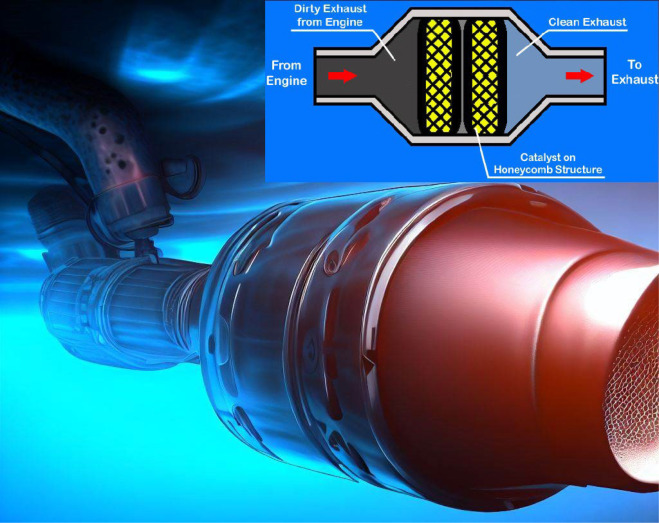
Delving into the Functions and Composition of Catalytic Converters
In this insightful blog post, we delve into Understanding Catalytic Converters: Functions and Composition, shedding light on their pivotal role in mitigating harmful emissions from modern vehicles. Join us as we explore the various types of converters and unveil the chemical processes that convert pollutants into eco-friendly byproducts. Catalytic converters are essential for reducing vehicle emissions, and their diverse types and compositions enable the targeting of various pollutants. Maintaining engine condition and using high-quality fuel are crucial for ensuring the longevity and efficacy of catalytic converters. Furthermore, eco-catalytic converter recycling aids in conserving precious metals and minimizing the environmental impact of their extraction.
READ MORE
Reducing the Carbon Footprint of Laptops: Strategies for Sustainable IT Asset Disposal
To reduce the environmental impact of laptops, a comprehensive strategy is necessary, involving sustainable usage practices, responsible disposal methods, and embracing circular economy principles. Through effective IT asset management strategies and raising environmental consciousness, both organizations and individuals can play a pivotal role in lessening their ecological footprint. Let's take proactive steps to diminish the carbon footprint of laptops. This includes adopting sustainable usage habits, collaborating with certified recyclers for proper disposal, and advocating for responsible IT asset management protocols. Together, we can significantly mitigate the environmental repercussions of laptops and contribute to fostering a more sustainable future.
READ MORE
Unveiling the Impact of Green Hosting on Our Planet: Building an Eco-Friendly Web
In today's digital era, the internet plays a vital role in our everyday routines. Nevertheless, the environmental consequences of online activities are frequently disregarded. The servers powering websites consume substantial electricity, thus generating carbon emissions and exacerbating climate change. Consequently, the emergence of green hosting—an eco-conscious approach to web hosting—has gained momentum. In this piece, we delve into the transformative impact of green hosting and underscore its significance in fostering a more environmentally sustainable web. By utilizing renewable energy sources and energy-efficient infrastructure, green hosting promotes sustainability in digital operations. This initiative not only mitigates environmental impact but also encourages a shift towards eco-conscious practices in the tech industry.
READ MORE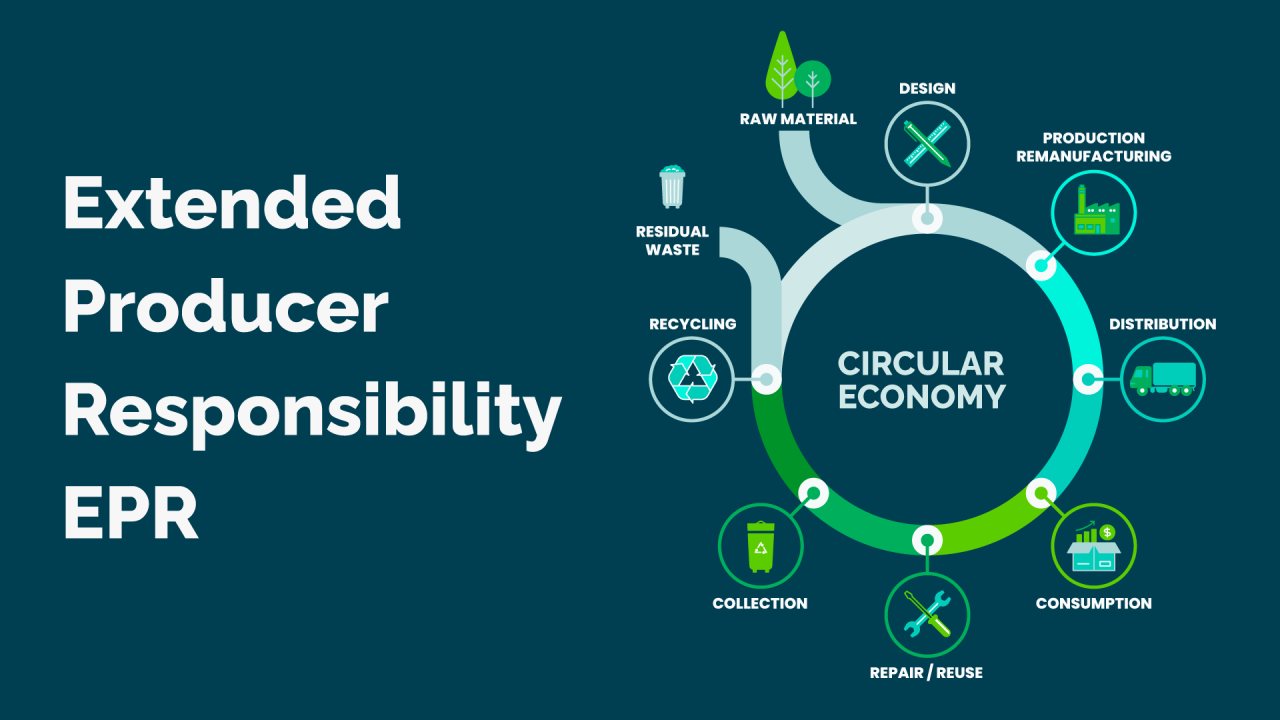
The Contribution of EPR Services to Circular Economy Initiatives
Amid escalating environmental challenges, the circular economy stands out as a beacon of hope, offering a sustainable departure from the linear "take, make, waste" model. By emphasizing resource efficiency, waste reduction, and product longevity, circular economy principles offer solutions to pollution, resource depletion, and climate change. At the core of this transformative framework lies Extended Producer Responsibility (EPR) services, a vital policy mechanism requiring producers to manage their products' environmental impact across their lifecycle. This article explores the synergistic relationship between circular economy principles and EPR services, highlighting their combined capacity to promote sustainability and cultivate a regenerative economy.
READ MORE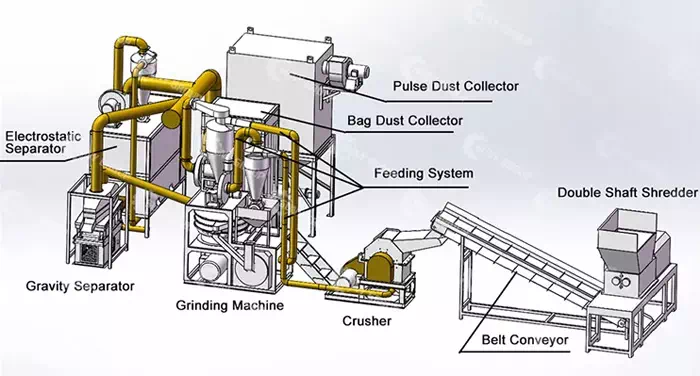
E-Waste recycling machinery that solves the e-waste problem
Establishing a robust e-waste recycling network is paramount for the success of an e-waste management venture. This involves setting up recycling sites, centers, and channels to facilitate the efficient collection of discarded electronic devices from both residential and commercial sources and ensuring their proper disposal by certified recycling entities. Resource recovery and reuse are central to the viability of an e-waste business. Electronic waste comprises valuable materials such as metals, plastics, and rare earth elements. A key strategy for running a sustainable e-waste business is to maximize resource recycling and reuse. This can be achieved through the implementation of scientific processing methods and environmentally responsible recycling practices.
READ MORE