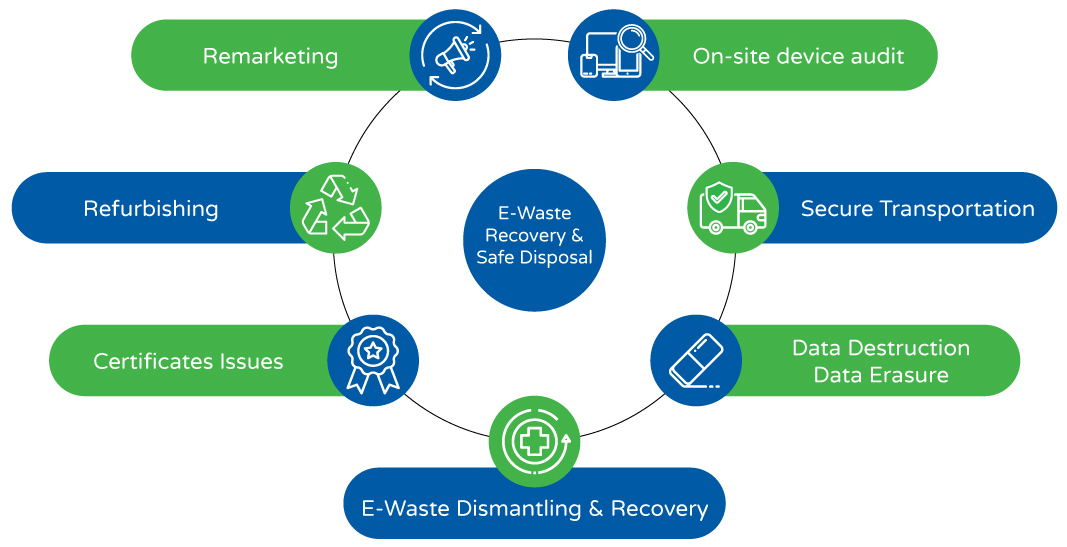
We've meticulously developed a comprehensive e-waste management process, spanning from collection to
recycling, to uphold our commitment and mission of environmental improvement.
When you schedule a pickup for your e-waste, our team ensures its safe transportation to our
R2-certified facilities. Our dedicated fleet manages this reverse logistics operation, facilitated by
our network of partners, ensuring the secure delivery of hazardous and non-hazardous e-waste.
Embracing the principles of reuse, reduce, and recycle—commonly known as the three R's of
sustainability—we're dedicated to responsible e-waste disposal and fostering a greener environment. To
achieve this, all electronic waste is sorted into categories based on its condition, laying the
groundwork for sustainable practices.
We implement asset refurbishment, the process of rejuvenating used electronics, particularly for
repairable items. At our e-waste collection sites, we diligently refurbish products by replacing damaged
components with higher-quality, cost-effective spares. Subsequently, each refurbished product undergoes
meticulous quality checks to ensure optimal efficiency, satisfaction, and safety, with the option of
standard or extended warranties.
For non-repairable items, salvageable parts are meticulously extracted and repurposed to repair other
devices at our authorized recycling facility. Through systematic disassembly, we ensure environmental
sustainability by categorizing and processing remaining portions into subcategories, ensuring the most
eco-friendly disposal methods.
In our commitment to sustainable practices, we prioritize asset refurbishment as a means to extend the
lifecycle of electronic devices. By reviving repairable items through meticulous repair processes at our
e-waste collection sites, we not only minimize electronic waste but also provide cost-effective
solutions for consumers.
At our authorized recycler facility, salvaged parts from non-repairable items are carefully harvested
and utilized to breathe new life into other devices, reducing the demand for new electronic components
and conserving valuable resources.
Through our comprehensive approach to e-waste management, we strive to minimize environmental impact
while maximizing the potential for reuse and resource recovery, contributing to a more circular economy
and a greener future for all.


At trash to treasure, we specialize in providing confidential and efficient data destruction
services tailored for individuals and organizations.
With years of industry experience, we understand the critical importance of safeguarding sensitive
data stored on hard drives within laptops, computers, and servers. As data security concerns
escalate, we address them with utmost diligence.
Our 3X data destruction services are meticulously planned and executed, ensuring a 100% guarantee of
data security right at the client's doorstep. Additionally, we offer on-site data destruction
services, empowering clients to maintain full control over their premises and data privacy.
1. Software Eradication:
Our specialized team of skilled professionals is committed to executing the data destruction process
using the most trusted software available. Each device undergoes meticulous compliance documentation
to ensure adherence to the highest standards of secure data destruction.
2. Data Degaussing:
For clients seeking complete data eradication for specific reasons, we recommend the data degaussing
method. Our team subjects hard drives to intense electromagnetic fields, effectively wiping all
stored data. This proven technique renders the device unusable, providing a reliable solution for
data destruction.
3. Hard Disk Shredding:
Our hard disk shredding process involves the meticulous shredding of hard disks into tiny pieces,
each less than 5mm in size. This method is favored by organizations housing highly confidential data
or facing security breaches. Our dedicated team meticulously recovers valuable metals from the
shredded disks, with the recycling process carefully managed at our specialized facility.

Electrical and electronic recycling, commonly referred to as e-waste recycling, is a crucial aspect
of sustainable waste management in the modern era. With the rapid advancement of technology and the
widespread use of electronic devices in our daily lives, the disposal of old and obsolete
electronics presents significant environmental and health challenges.
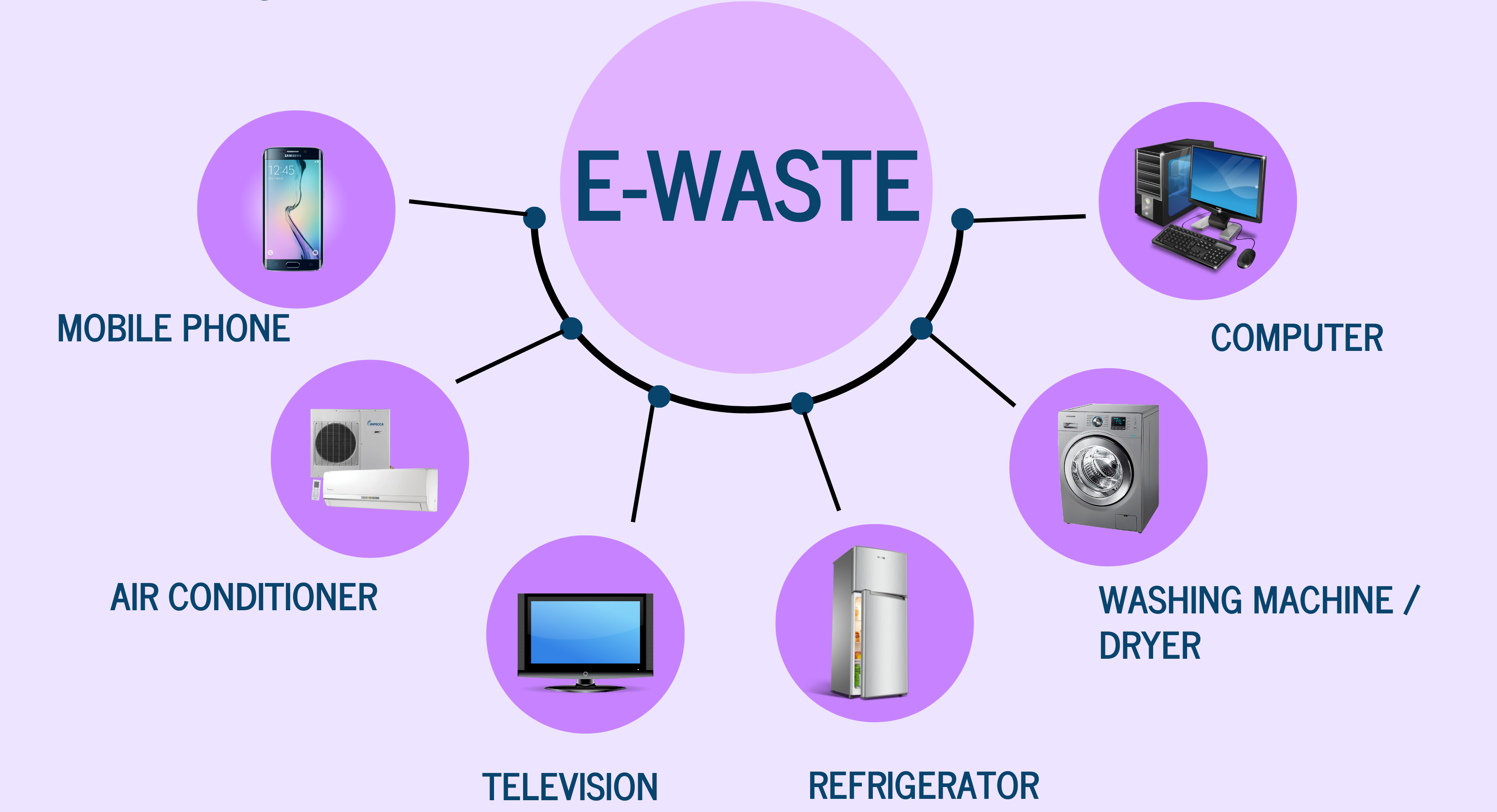
The process of electrical and electronic recycling involves the collection, sorting, dismantling,
and recycling of various types of electronic devices, including computers, smartphones, televisions,
and household appliances. This process is essential for several reasons.
Firstly, electronic devices contain valuable materials such as metals (e.g., gold, silver, copper)
and plastics that can be recovered and reused in the manufacturing of new products. By recycling
these materials, we reduce the demand for raw materials, conserve natural resources, and minimize
the environmental impact of resource extraction and processing.
Secondly, electronic devices often contain hazardous substances such as lead, mercury, and cadmium,
which can pose significant risks to human health and the environment if improperly disposed of.
Through proper recycling practices, these hazardous materials can be safely extracted and disposed
of or treated, preventing their release into the environment and mitigating potential health
hazards.
Furthermore, electrical and electronic recycling helps to address the growing problem of e-waste
accumulation. As technology advances and consumer electronics become more prevalent, the volume of
e-waste generated globally continues to rise. Without proper recycling measures in place, e-waste
can end up in landfills, where it poses a threat to soil and water quality and contributes to
environmental pollution.
To promote effective electrical and electronic recycling, governments, businesses, and communities
must work together to establish robust recycling infrastructure, implement regulations and policies
to ensure compliance with environmental standards, and raise awareness among consumers about the
importance of responsible e-waste disposal.

IT and electronic asset disposition (ITAD) is the systematic process of managing the end-of-life
cycle of electronic devices and IT equipment. It involves the secure and environmentally responsible
disposal, recycling, or remarketing of obsolete or surplus hardware, such as computers, servers,
laptops, smartphones, and networking equipment.
The need for proper IT and electronic asset disposition arises from the rapid pace of technological
innovation, which leads to frequent upgrades and replacements of electronic devices. Without
effective disposition strategies in place, organizations risk accumulating outdated equipment, which
not only takes up valuable space but also poses security and environmental risks.
IT and electronic asset disposition begins with the identification and assessment of retired or
surplus equipment. Assets are then categorized based on their condition and value. Functional
equipment may be refurbished and resold or donated to charitable organizations, while obsolete or
non-functional devices are securely destroyed or recycled.
Security is a critical aspect of ITAD, especially for organizations handling sensitive data. Proper
data sanitization techniques, such as data wiping or physical destruction of storage devices, are
employed to ensure that confidential information is permanently removed before disposal or
remarketing.
Environmental responsibility is another key consideration in ITAD. Electronic devices contain
various hazardous materials, including heavy metals and toxic chemicals, which can harm the
environment if improperly disposed of. Responsible recyclers adhere to strict environmental
standards and regulations to minimize the impact of e-waste on ecosystems and human health.
By implementing effective IT and electronic asset disposition practices, organizations can maximize
the value of their retired assets, mitigate security risks, and demonstrate environmental
stewardship. Partnering with reputable ITAD service providers ensures compliance with regulatory
requirements and ethical standards, contributing to a more sustainable and secure IT ecosystem.

Reverse logistics is the process of managing the return, reuse, recycling, or disposal of products
and materials after they have been used or consumed. Unlike traditional logistics, which focuses on
the forward movement of goods from manufacturers to consumers, reverse logistics involves the
backward flow of products from consumers back to manufacturers or other points in the supply chain.
The need for reverse logistics arises from various factors, including product returns, warranty
repairs, end-of-life disposal, and recycling initiatives. It encompasses activities such as product
collection, sorting, refurbishment, recycling, and final disposition.
One of the primary objectives of reverse logistics is to recover value from returned or end-of-life
products. This may involve refurbishing and reselling returned products, recycling materials for
reuse in new products, or disposing of products in an environmentally responsible manner. By
recovering value from returned goods, companies can reduce losses associated with unsold inventory
and maximize profitability.
Reverse logistics also plays a crucial role in sustainability and resource conservation. By
implementing effective reverse logistics processes, companies can minimize waste, reduce energy
consumption, and lower their carbon footprint.
In addition to economic and environmental benefits, reverse logistics can also enhance customer
satisfaction and loyalty. Efficient product returns and exchange processes, supported by streamlined
reverse logistics operations, can improve the overall customer experience and build trust and
loyalty among consumers.
Overall, reverse logistics is an essential component of modern supply chain management, enabling
companies to recover value, reduce waste, and meet sustainability goals while delivering superior
customer service. By embracing reverse logistics principles and practices, organizations can create
a more efficient, sustainable, and resilient supply chain ecosystem.

Extended Producer Responsibility (EPR) services play a vital role in e-waste management systems by
shifting the responsibility for the end-of-life disposal of electronic products from consumers and
municipalities to the producers and manufacturers. EPR programs require producers to take
responsibility for the collection, recycling, and disposal of their products once they reach the end
of their useful life, thereby encouraging environmentally sustainable practices and reducing the
environmental impact of electronic waste.
EPR services encompass various activities aimed at ensuring the proper management of electronic
products throughout their lifecycle.
This includes the design of products with end-of-life
considerations, such as ease of disassembly and recyclability, as well as the implementation of
collection and recycling programs to facilitate the return of obsolete or end-of-life products to
manufacturers or authorized recyclers.
One of the key benefits of EPR services is the establishment of a closed-loop system for the
recovery and recycling of valuable materials from electronic products.By requiring producers to
take responsibility for the collection and recycling of their products, EPR programs incentivize the
development of environmentally friendly products and encourage the adoption of circular economy
principles.
EPR services also contribute to the reduction of electronic waste in landfills and the prevention of
environmental pollution. By promoting the reuse, recycling, and proper disposal of electronic
products, EPR programs help conserve natural resources, reduce energy consumption, and mitigate the
release of hazardous substances into the environment.
Furthermore, EPR services support the development of a sustainable market for recycled materials and
encourage innovation in recycling technologies and processes. By creating incentives for producers
to design products with end-of-life considerations and invest in recycling infrastructure, EPR
programs drive continuous improvement in e-waste management practices and contribute to the
transition towards a more sustainable and circular economy.